Roots & Routes: Cultural Transmission in the Rural-Urban Shift
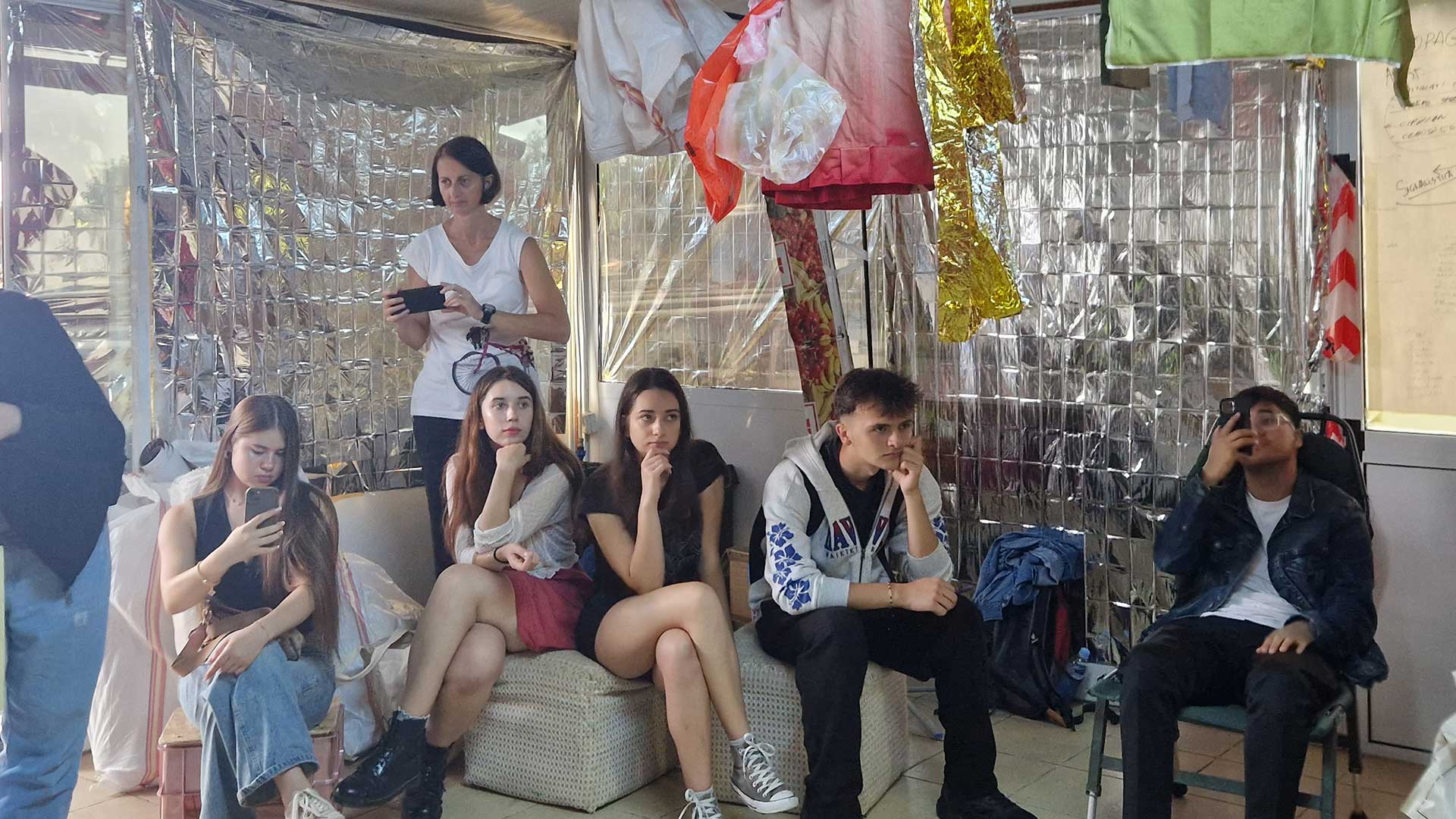
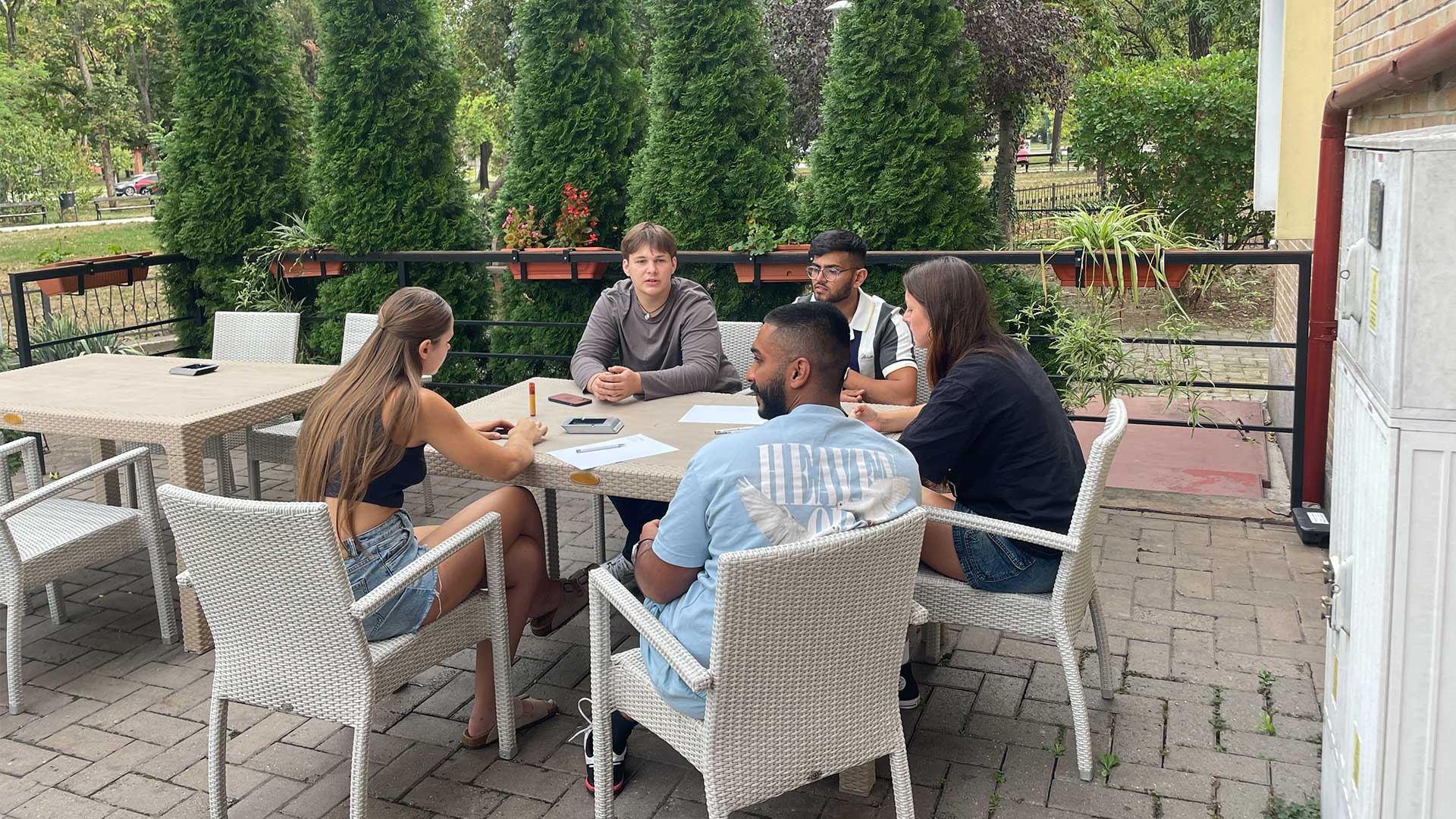
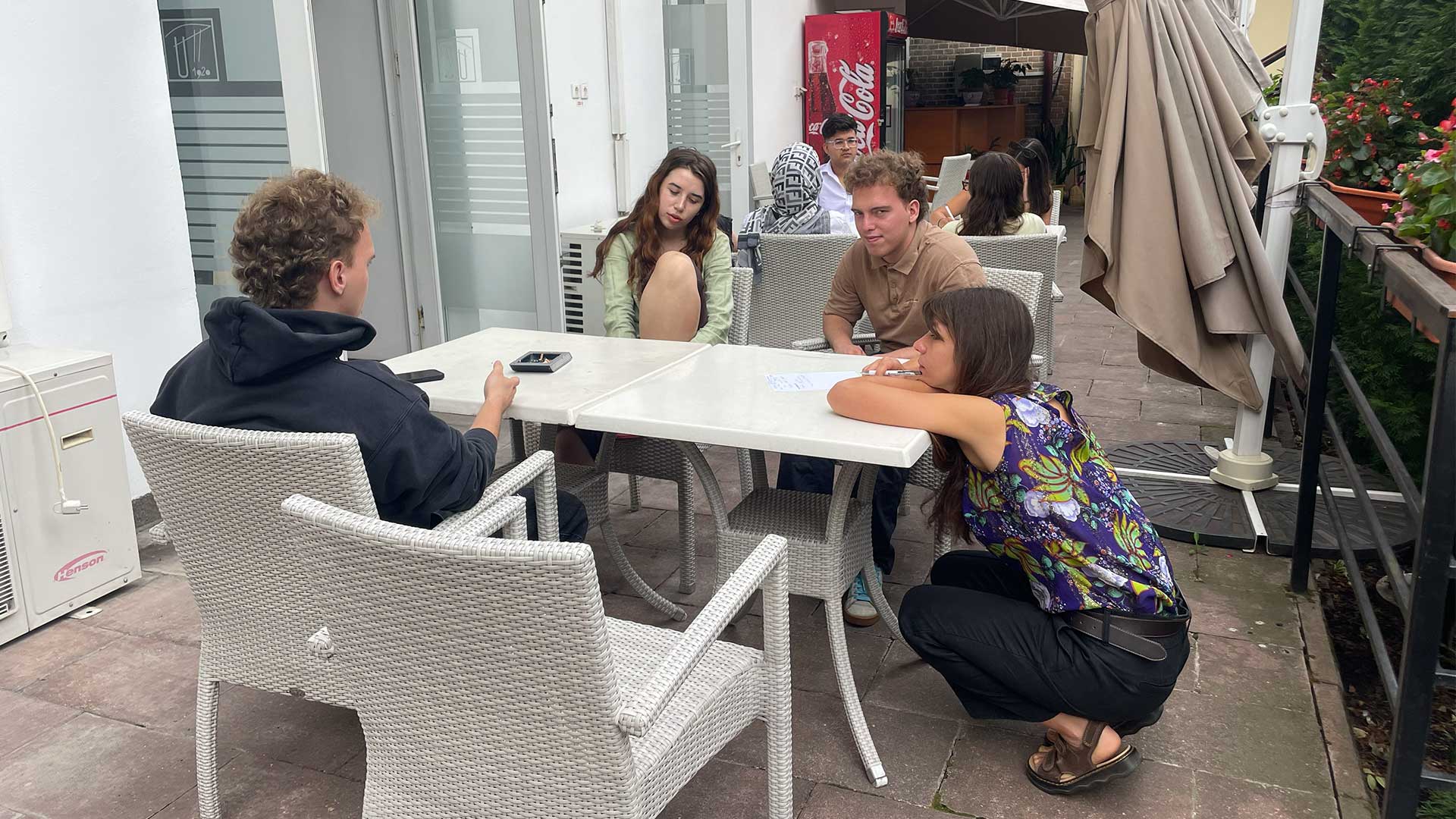
“Roots & Routes: Cultural Transmission in the Rural–Urban Shift” was an Erasmus+ Youth Exchange implemented in Timișoara, Romania, between 8 and 13 September 2025. The project gathered 25 young participants and 5 group leaders from Latvia, Lithuania, Portugal, Moldova, and Romania, in order to explore the processes of cultural transmission in communities affected by rural-urban transformation.
The exchange focused on identity, belonging, social inclusion, and the use of participatory filmmaking as a tool for reflection and dialogue. Through non-formal education methods, field research, and creative production, participants analysed how cultural heritage is preserved, adapted, or transformed in urban spaces with rural origins. The project aimed to strengthen intercultural dialogue and European cooperation among young people, to increase awareness of rural-urban dynamics and social inclusion issues, and to develop practical competences in visual storytelling, interviewing, teamwork, and digital content creation. It also sought to promote active citizenship and encourage participants to engage with their local communities after the mobility.
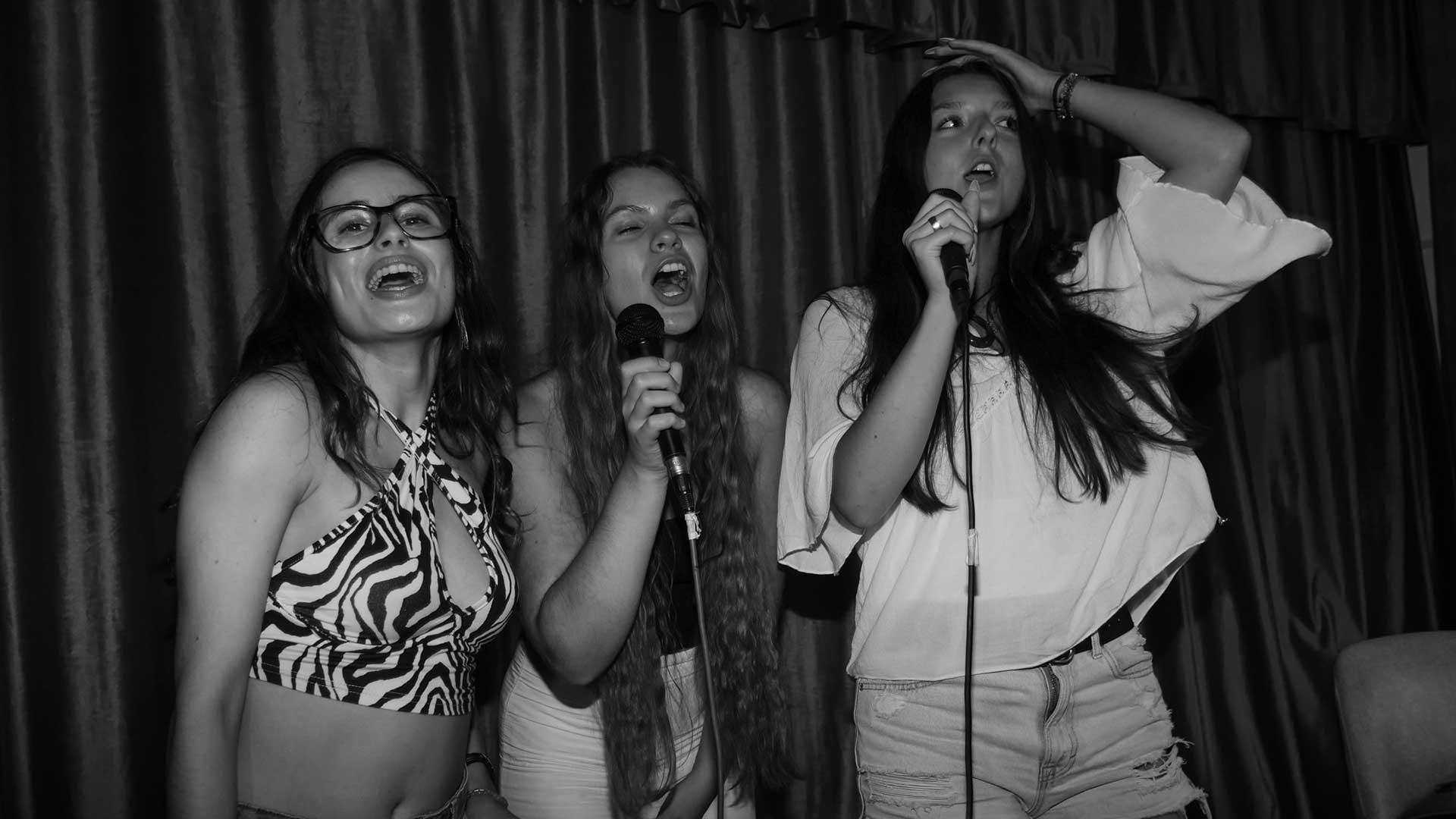

Partnering Organizations
Asociația Culturală Contrasens
roActive Group Moldova
Casa da Horta, Associação Cultural
Laisvės Kompasas
Kefirsstudio
Impact and Results:
Young people gained a deeper awareness of cultural identity, developing a better understanding of their cultural heritage and how migration influences traditions. They reflected on the role of youth in preserving and reinterpreting cultural identity in a modern European context. Practical storytelling and filmmaking activities contributed to the development of visual communication and teamwork skills, as well as strengthening competences that can be applied in future creative or professional projects.
Learning Activities and Methods
Another key outcome of the project was the publication of a pedagogical guide that compiles the educational methods developed and tested within the Erasmus+ mobility project, offering practical tools for non-formal learning and intercultural dialogue. The guide includes thematic workshops, field-based learning activities, and art-based learning approaches. The exercises are designed to be flexible and can be easily adapted and applied to other projects and educational contexts.
Acknowledgement
Neither the European Union nor the granting authority can be held responsible for them.